Uncategorized
Memory Setting for Curtains: Process, Advantages & Fabric Guide
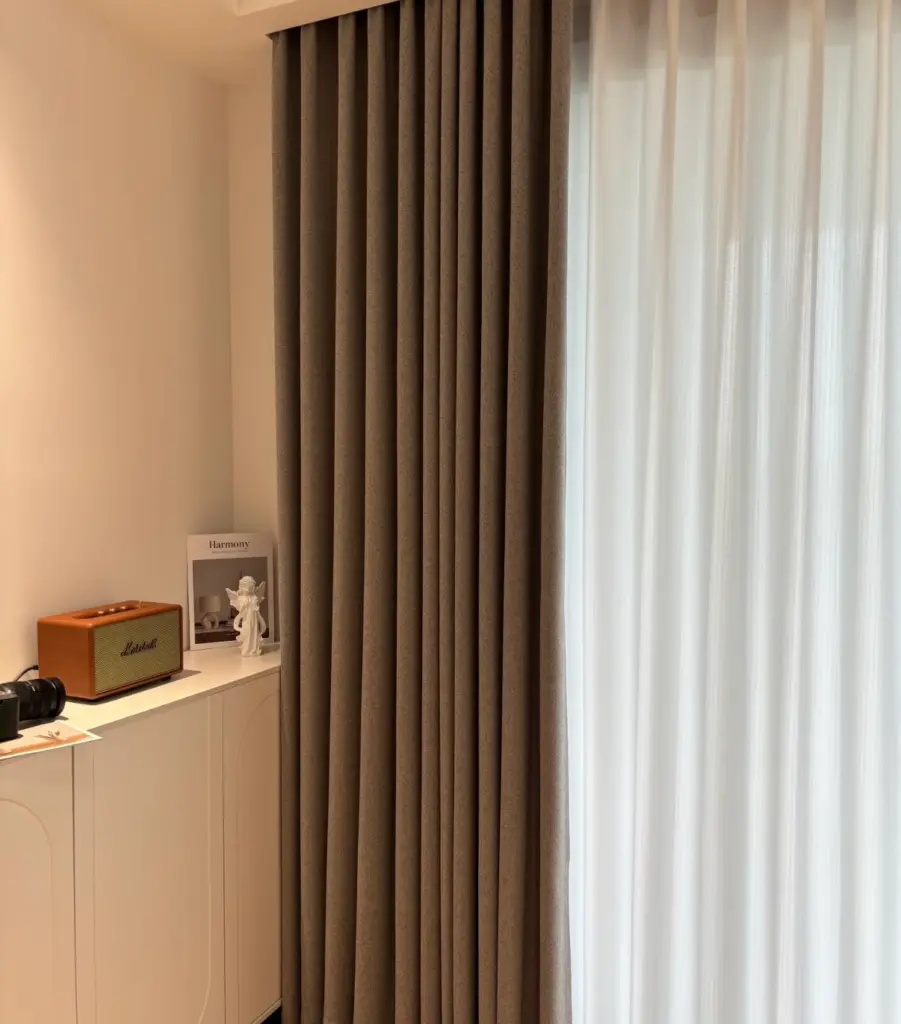
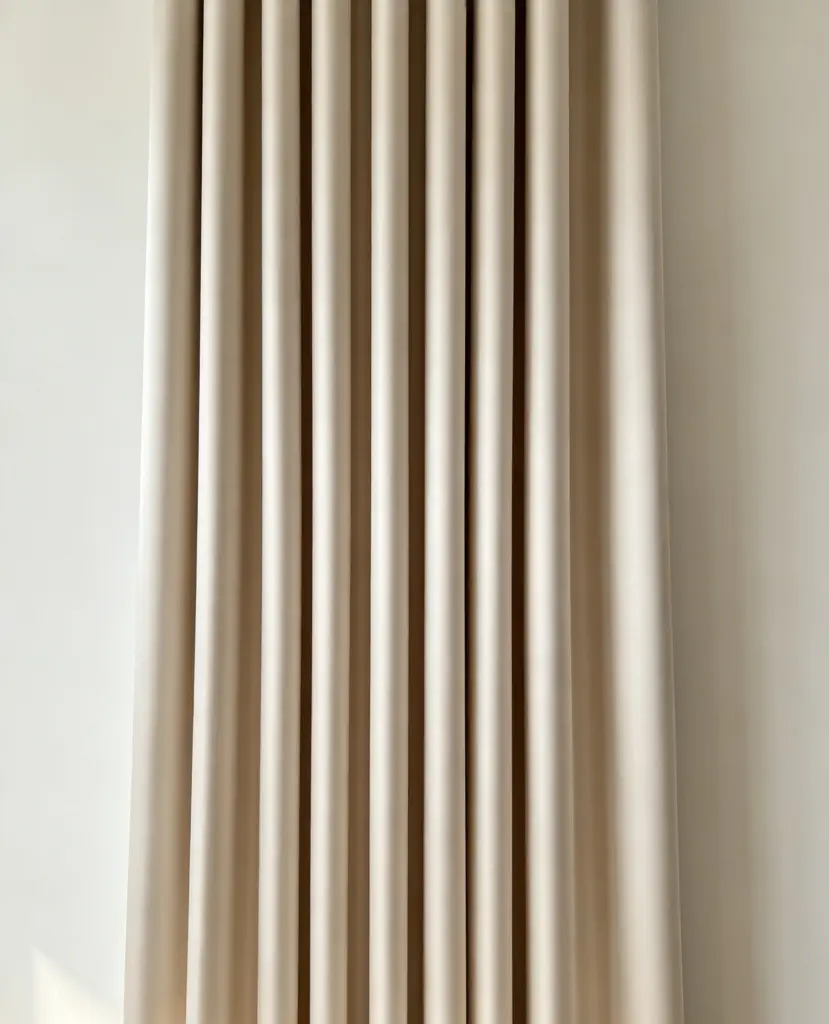
High-temperature steam setting uses industrial equipment to restructure curtain fibers under heat and pressure, giving fabrics permanent pleat memory and a crisp, vertical drape. Standard Process Pleat Alignment:…
High-temperature steam setting uses industrial equipment to restructure curtain fibers under heat and pressure, giving fabrics permanent pleat memory and a crisp, vertical drape.
Standard Process
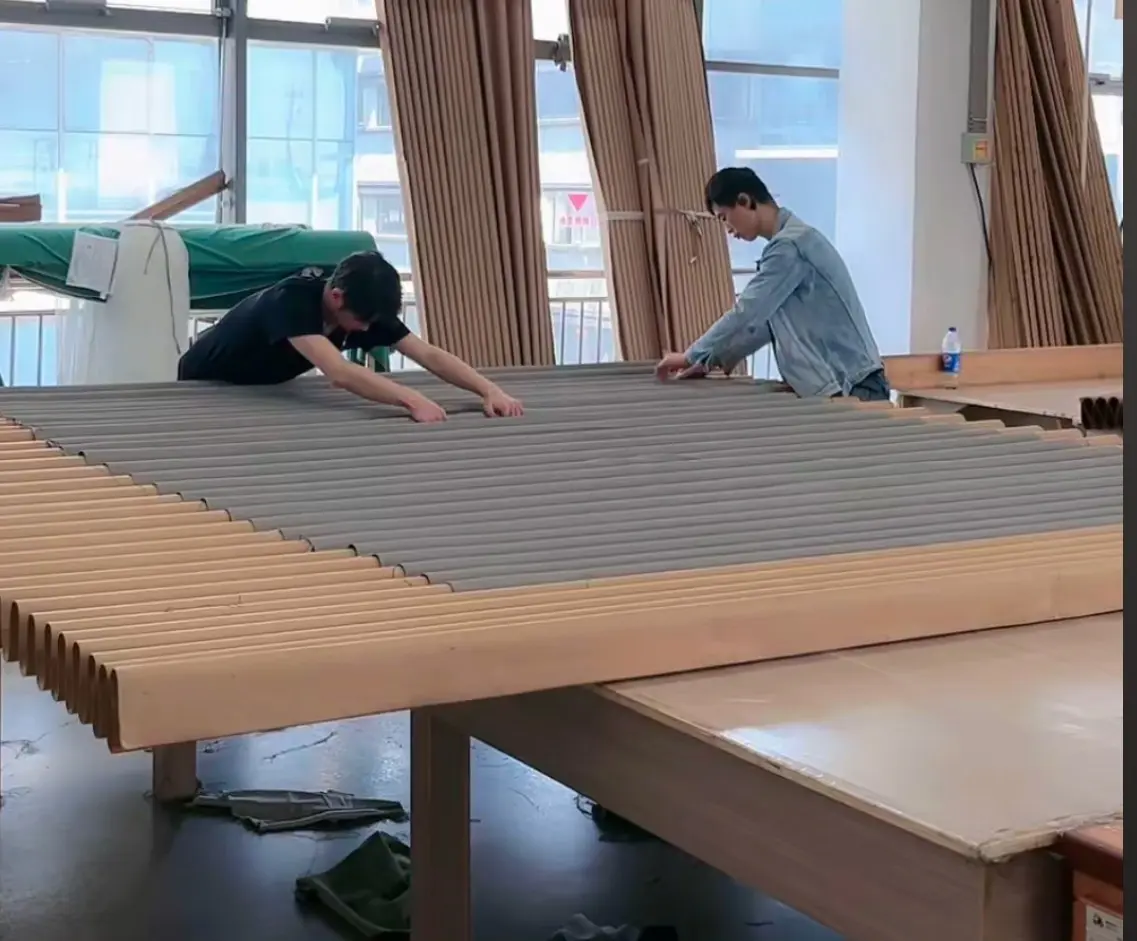
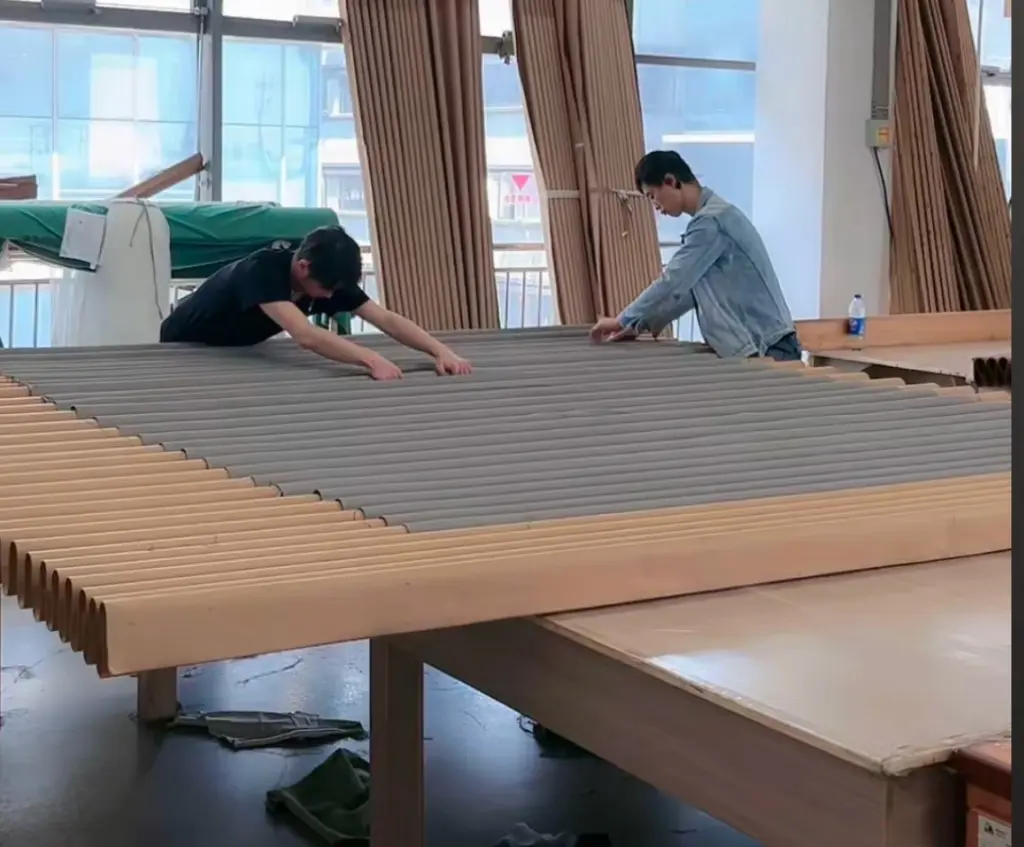
- Pleat Alignment: Finished curtains are mounted onto specialized setting molds to align pleats uniformly.
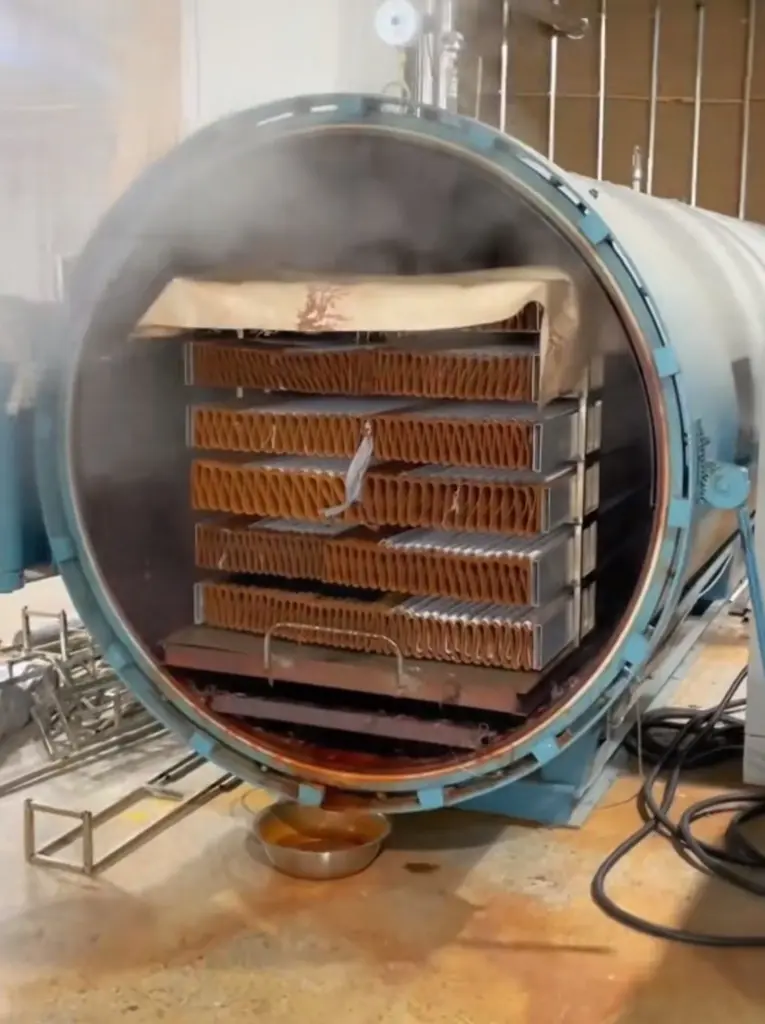
- High-Heat Steaming: Processed in sealed vessels at 120°C for 1.5 to 2 hours, allowing steam to deeply penetrate and restructure fibers.
- Rapid Cooling: Fast cooling locks the molecular structure, establishing long-term shape memory.
Key Benefits
- Permanent Pleat Retention: Folds stay crisp and structured over time without sagging or flaring.
- Sanitization & Odor Removal: 120°C steam sterilizes, eliminates mites, and removes chemical residues, making curtains ready to hang.
- Pre-Shrinking & Color Fastness: Prevents post-wash shrinkage and enhances fade resistance against direct sunlight.
Fabric Considerations
| Fabric Compatibility | Recommended Types | Notes |
| Ideal Choices | Synthetic blends, blackout fabrics, high-density weaves | Holds pleats sharply with maximum memory retention. |
| Not Recommended | Silk, sensitive velvets, low-color-fastness fabrics | Silk and velvet have natural drape; high heat may warp edges or cause fading. |
Care Tip: Avoid harsh machine washing or high-temperature dryer cycles, as extreme friction and heat weaken the shape memory over time.
Link copied to clipboard
Comments (0)
Keep Reading